





Heal eczema naturally — without steroids — under the care of Raman Das Mahatyagi, principal Ayurvedic practitioner with 30+ years’ clinical experience. In-clinic at Gordon NSW or telehealth Australia-wide.
What is Eczema?
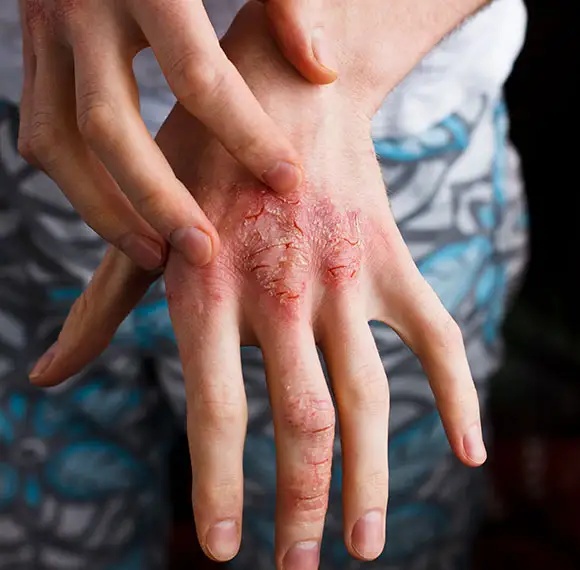
Eczema, also known as “dermatitis”, is an inflammation of the skin caused by an overreaction of your body to an environmental factor.
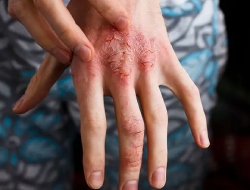
It is a condition where one has extremely dry, itchy, cracked and flaky skin.In more severe cases, the eczema patches can become crusty and ooze pus or blood.
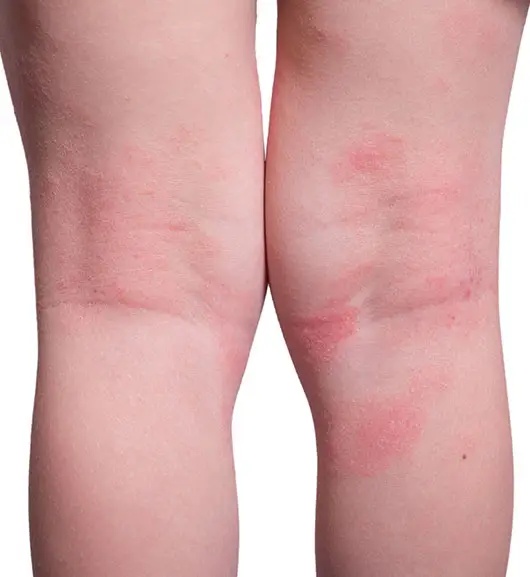
Skin folds and exposed skin surfaces are more prone to eczema than other parts of the body. This means that you are more likely to notice eczema lesions inside of the elbows, at the creases of your wrists, your armpits, the backs of your knees, or exposed skin surfaces (face, hands and feet).
Eczema is most commonly seen in children. However, this is more of an observation than a rule because eczema can occur at any age.
Eczema is not caused by any known virus, fungi or bacteria. This means that it is not contagious.
What are the common symptoms of eczema?
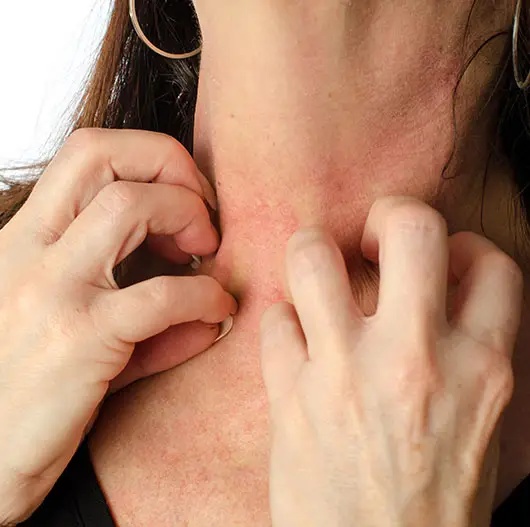
The most common symptoms of eczema are red, dry, flaky and itchy skin.
In mild eczema, the skin is only dry and flaky. There is no pain, pus or bleeding.
The skin can bleed or become infected when the eczema becomes more severe. If it becomes infected it will begin to ooze pus.
What is Eczema from an Ayurvedic Perspective?
In Ayurveda, we view eczema as a Dosha imbalance.
What are the Dosha energies?
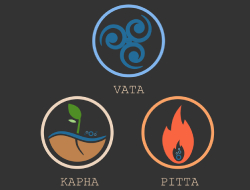
The three Dosha energies in Ayurveda are the Pitta, Vata and Kapha. They are the energies that run through our bodies. These energies correspond to the natural elements found on earth. Since our body is a natural phenomenon, it must be regulated by elements found in nature.
 Pitta Dosha
Pitta Dosha is the fire energy. It regulates how much heat our body produces.
Inflammation can result when the Pitta Dosha is not in balance.
Where there is inflammation, there is excessive heat. If you touch an inflamed part of your skin, you will notice that it feels hot.
The physical manifestations of eczema are due to a Pitta energyimbalance.
A Pitta dominanteczema appears very bright red.
 Vata Dosha
Vata Dosha is our body’s wind energy. Vata is the energy that enablesquick but controlled movements of the body.
A Vata Dosha imbalance leads to uncontrolled bodily movements, as well as the uncontrolled movement of materials throughout the body.
An accumulation of Vata can lead to the sensation of pain.
A Vatadominanteczema appears pinkish. It can be dry, flaky or cracked. This type ofeczema can feel very itchy or painful.
 Kapha Dosha
Kapha Dosha is the water Dosha. Kapha Dosha acts as a lubricant. It helps to keep substances moving smoothly through the body.
When Kapha is out of balance, movement of substances can slow down. A slow moving Kapha can lead to the formation of sticky plugs in the body. This results in the accumulation of cellular wastes, as well as nutrients not being delivered to the cells.
When Pitta or Vata become aggravated, your body may begin producing more Kapha in an attempt to subdue the other two energies. However, this may lead to an overproduction of Kapha.
When too much Kapha is produced, the body may become more acidic. Microorganisms grow well in an acidic environment, therefore the Kapha aggravated body is also more prone to infections.
If the eczema is Kapha dominant, the skin can become infected very quickly. The infected areas can begin to ooze a watery substance and become even itchier. The body may start to form pus. Western medical doctors may treat this with antibiotic/steroid creams or ointments. However, an ayurvedic treatment for eczema focuses on balancing the doshas of an individual.
How does a Pitta Dosha imbalance cause eczema?
The symptoms of eczema are almost always produced by Pitta Dosha imbalance. However, all three Dosha’s can be out of balance in a single case ofeczema. The underlyingDosha imbalance that resulted in the eczema varies from person to person.
The Pitta dominant eczema presents with skin that is red, dry, cracked, itchy or painful. The skin can easily bleed when scratched or it can become infected and ooze pus.
Cold pulse, excess Pitta.
Some individuals may have excess Pitta (heat), but a cold pulse. This often causes some confusion as to the cause of the eczema, but there is a very simple explanation.
When a person has a cold pulse, it means that they have less fire or heat. The body attempts to compensate for this by increasing Pitta (heat) production.
Sometimes the body can forget how to evenly distribute thePitta. Some areas of the body receive more Pitta and others receive very little. When this happens, the entire body feels cool; but some areas are red, hot and inflamed. These inflamed areas on the skin are what we call eczema.
Another explanation for the presence of eczema with a cold pulse is that it may be a malfunction of the Pitta system.
Channels and microvessels may become blocked when an insufficient amount of Pitta is produced. This is because Pitta helps to melt any blockages that may have been caused by an accumulation of Kapha. If too little Pitta is produced, the sticky Kapha blockages remain. The result is that heat cannot be evenly distributed throughout the body. This leads to some parts of the body receiving too much heat and other parts receiving too little heat.
This can be a dangerous situation because the body needs Pitta and its heat production to survive.
Emergency adrenal heat production.
The body has a backup system that produces heat when the Pitta becomes imbalanced. This backup system is the adrenal glands. They are only used in emergency situations as a back-up heat production mechanism.
Unfortunately, the adrenal glands do not have the ability to analyze the situation and decide what the optimal amount of heat they need to produce is. Therefore, they are unable to regulate heat production. They usually overproduce heat, and this starts to damage the body. When this damage manifests on the skin, it can physically manifest as a severe form of eczema.
The emergency adrenal heat production system is similar to a shortage in the fuse of a house electrical system. When there is a shortage, the electricity may go out. When it returns, it can return in an uncontrolled surge. This surge can be so high that it may potentially damage anything that was plugged into an electrical outlet at the time.
Similarly, the adrenals produce a heat surge. It can be too much for the body to handle effectively.
When multiple Dosha’s become unbalanced.
It is very important to note that eczema can result from the imbalance of multipleDosha’s. When this happens, the eczema is usually more severeand more difficult to treat.
During the eczema treatment in Ayurveda, we look at the body as a whole. We examine the function of all of the Dosha’s. We then provide guidance, advice, yoga and medicine to balance the body.
What are the different types of eczema and how do they differ?
All of the different types of eczema are the result of a systemic or local Pitta aggravation. They all manifest with an inflammation of the skin. We can help you identify the dosha imbalance when you visit us for an ayurvedic treatment for eczema.
They differ in the symptoms a person experiences as well as the location on the skin where the eczema manifests.
The different types of eczema are:
- Atopic Dermatitis: This is the most common type of eczema. It most commonly occurs in children; however, it can be seen in adults as well. It is the result of a hypersensitivity (or allergy). This type of eczema is the brother of asthma and allergy, when one is present the other two are likely to manifest at some point as well.
- Contact Dermatitis: This type of eczema is a local allergic reaction to a specific allergen that your skin comes into contact with. Only the area that comes into contact with the allergen develops eczema. An example of this is eczema that develops only under the arms due to contact with sweat.
- Dyshidrotic Eczema: This is another type of eczema that is localized to a specific part of the body. Dyshidrotic eczema usually occurs on hands and feet. It starts out as small, water-filled blisters. These blisters can be extremely itchy and painful. It can get infected or spread if it is left untreated.
- Nummular Eczema: This is a ring-like lesion that can appear on the legs, torso, feet or hands. This skin lesion is extremely red, painful and itchy. It is prone to bleeding.
- Seborrheic Dermatitis: The skin in this type of eczema is red, itchy, painful, scaly and greasy looking. This type of eczema tends to affect areas that are rich in oil producing glands, such as the face and head. In babies, it is called “cradle cap”. If the scalp is involved, the patient may have dandruff.
- Stasis Dermatitis: This type of eczema is common in patients that have varicose veins, or venous insufficiency. It is most common on the lower part of the legs, where blood tends to pool in venous insufficiency. It tends to flare up in the summer, producing extremely itchy or painful skin. These lesions have a tendency to bleed.
Why does eczema occur?
The main cause of eczema is a Dosha imbalance. Pitta is the main Dosha responsible for eczema.
The Pitta imbalance can be due to a very low or very high Pitta production. If Pitta production is very low, it can activate emergency adrenal heat production. This leads to excess production of heat even though Pitta may be very low.
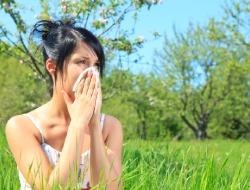
Eczema can also occur in people who are sensitive to environmental allergens such as pollen. This is why allergy, asthma and eczema can often be present in the same person. They might not be present at the same time, but a person that has allergies or asthma is also more prone to developing eczema, and vice versa.
The final potential cause of eczema is a toxin overload. This can happen when the kidneys do not properly purify the blood. The toxin deposits in random parts of the body. When it deposits in the skin, it can create eczema. In this case, the type of eczema that it creates depends on the type of toxin as well as where it deposits.
What type of person is most likely to be affected by eczema?
There are several types of people that may develop eczema:
- A Pitta Dosha dominant person, or someone with a Pitta imbalance. This type of person is more prone to eczema because of excessive systemic Pitta.
- A person who currently has or has had asthma.
- A person with allergies.
- Somebody who already has another skin condition.
- A person with long standing digestive problems.
- Somebody who lacks certain digestive enzymes. This is because their body cannot breakdown everything they eat. The byproducts of the undigested foods begin to flow in the body channels and trigger eczema.
- Very emotional individuals. When a person becomes very emotional, this can trigger certain substances in their body that may lead to eczema. Specifically, when a person is stressed their body produces more cortisol. Cortisol can create a more acidic environment in the body. Therefore, a person’s thoughts can influence their physiology.
What are the risk factors for developing eczema?
The first important risk factor for developing eczema is any long-standing health condition. As mentioned earlier, long-standing digestive issues specifically can trigger eczema in a person that is prone to it.
A second important risk factor for eczema is a very emotional or irritable person. The person may feel upset, like they cannot calm down. They may have sleep disturbances. When they are with people, they may start to feel itchy and experience negative emotions. If they are with a group of people or at a special meeting, they may begin to feel so itchy that they cannot sit.
What is the Ayurvedic approach to the treatment of eczema?
The Ayurvedic treatment for eczema includes:
- Diet plan
- Stress management plan
- Yoga postures to activate certain body centers
- Ayurvedic medicines to balance the body
- Analysis and balancing of Dosha’s
Diet plan for the treatment of eczema.
The specific diet for the eczema treatment in Ayurveda does not take into account macronutrients such as
proteins, carbohydrates and fats. The Ayurvedic diet plan focuses on eliminating foods that aggravate eczema.
The Ayurvedic practitioner analyzes your specific case and removes food from your diet that may aggravate your eczema or foods that you may not have enzymes to break down.
For example, the Ayurveda practitioner may recommend that you stop eating oranges, mandarins, pineapples and tomatoes as they aggravate eczema. This does not mean that you will never be able to eat those foods again. You may slowly start adding restricted foods back into your diet once your eczema has healed.
Yoga and medicine for the treatment of eczema.
Ayurvedic medicine works well on its own to clear up the symptoms of eczema. However, the health benefits are increased, and results are seen faster when it is combined with a yoga practice.
We recommend certain types of yoga as an added treatment for eczema, specifically:
- Yoga mudra
- Ujjayi pranayama
- Yatan yoga
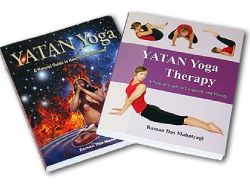
Please refer to our YATAN Yoga Therapy book for more on yoga as therapy.
How is the Ayurvedic approach to the treatment of eczema different from the Western medical approach?
The main difference in Ayurvedic treatment for eczema and Western medical approach is that the Ayurvedic approach recognizes that eczema is a symptom of a systemic problem, whereas the Western medical approach treats only the symptoms of eczema.
In Ayurveda, we attempt to balance the health of the body as a whole, including the digestion. We consider all of the factors that may have triggered the eczema.
The first thing we do is resolve the itching in eczema. This is because itching leads to scratching of skin, which can potentially lead to the formation of scars. When the skin has scarred, we require a different Ayurvedic program to fix the skin discoloration. It can take up to one year after eczema treatment for discolored patches of skin to clear up.
Ayurvedic eczema medicationis tailored to what your particular case requires. It can be ingested or topical. We have a selection of oils, creams and ingestible medication that aim to balance the Pitta.
It is important to note that Ayurvedic medicine is not made according to the type of eczema you have. We chose the medicine based on how to best detoxify your body to help heal the eczema.
For this reason, one type of medicine may be used for many different eczema types. The medicine is chosen based on what the underlying problem is. Our aim is to heal the causes creating your eczema, not merely mask it with immune suppressing creams (eg. Steroid creams).
What is the benefit of the Ayurvedic approach and why should I try this route of treatment for my eczema?
The main benefit of the Ayurvedic approach to eczema treatment is that we focus on improving your overall health. This is our approach to the treatment of any disease.
Since eczema is a sign of an imbalance in other body systems, improvement of the eczema results in an improvement of the whole body. For this reason, you will have a general improvement of your wellbeing.
The step-by-step Ayurvedic approach to the treatment of eczema.
Our approach to the eczema treatment in ayurveda is fairly simple, that is why it is effective.
Our first step is always to analyze your Doshas. In this way we are able to assess what Doshas are aggravated in your particular case. This also gives us an opportunity to examine your body function as a whole. It helps us to determine if your digestion or prior asthma may have played a role in you developing eczema. It also allows us to review any medication or vitamins you may be taking, sometimes they may cause a very dry type of eczema.
Our next step is to advise you according to our findings. Since climate can affect how well certain therapies work, we must prescribe the treatment based on your geographic location and climate.
For example, in a hot climate one may develop eczema as a reaction to their own sweat. Your body is melting toxins as it becomes hot and sweats. Unfortunately, those toxins can cause sweat to become acidic and when they linger on your skin they can act as an irritant.
The final step is to follow your progress as you go through the treatment and as your health improves. At this point, your therapy may require an adjustment based on the changing needs of your body. We are with you every step of the way.
How you can prevent eczema from developing.
Eczema flares can be prevented by balancing the Doshas, following appropriate dietary advice and being vigilant about stress management.
Eczema is not the underlying problem. Eczema is the physical manifestation of an underlying problem that may be due to a malfunction of multiple factors. We must consider all of this when treating eczema.
Sometimes, the main cause of an eczema flare is negative emotion, including stress at work or in your personal life. In this case, you must first manage your stress and nutrition. Only after that can we balance your Doshas.
Another possible point of eczema prevention is a balanced gut flora. Ayurvedic medicine exists that is able to balance the gut to allow the gut flora to regenerate and flourish on its own.
We do not use probiotics to put new bacteria in. This is because even if you ingest fresh flora, and your gut is out of balance, this flora will not be able to flourish. In Ayurveda we balance the internal environment of the gut so that good gut flora can flourish. Otherwise, any fresh flora you ingest via probiotic will not survive.
How much does eczema treatment cost?
As mentioned earlier, the actual treatment of eczema is highly individual. We must consider what your body needs before we know what steps we can take in order to help it.
This means that the cost of ayurvedic treatment for eczema is also highly individual. It can only be determined after a thorough examination of your body’s needs. We look at your body as a whole system and not a single problem. We chose medicines to align your body and help it to function optimally. Only “treating eczema” does not work.
Please contact us for a thorough assessment of your eczema.
How long will it take to see the results of eczema treatment?
Most people can expect to see some improvement in their eczema symptoms within three weeks of starting treatment.
The time it takes to get full results from the Ayurvedic eczema treatment depends on your individual case and on how chronic and severe your eczema is.
There is no Ayurvedic medicine that works as an instant cure-all. We must focus on rebuilding and balancing your entire body system. Since eczema is often related to other factors, it may improve as the other factors improve. Then it may get a little worse, then improve again. It is important to understand that the road to improvement is not a straight line. There are always ups and downs. However overall, your physical, mental and emotional states will be consistently improving.
Related Products: Massage Oils.
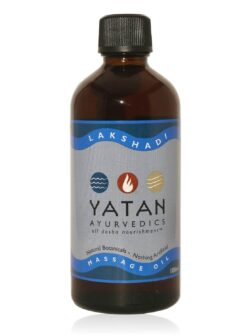
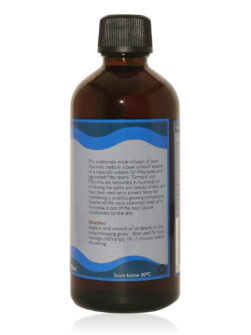
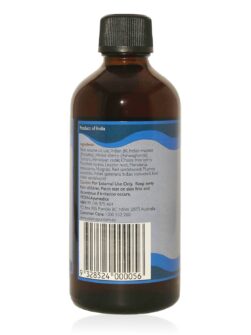
The LakshadiAyurvedic Body Massage Oil may help to relieve eczema symptoms in mild disease. It may help to regulate the dryness, itching and redness.
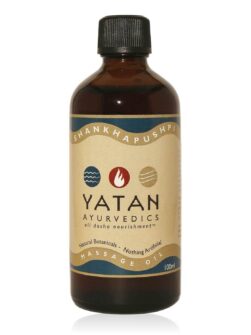
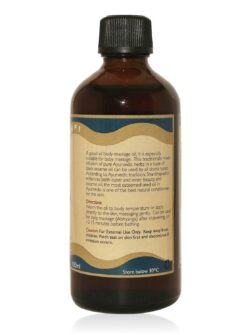
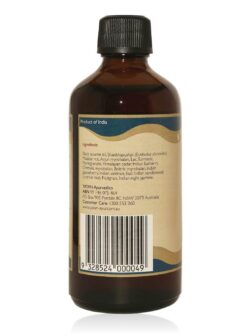
Our Shankhpushpi Herbal Oil is another product that may help to soothe the dryness caused by eczema.
You may try these oils on your own if you have mild symptoms. However, it is always best to seek the advice of an Ayurveda practitioner before starting treatment in order to get the best results.
A testimonial from our practitioner, Raman Das Mahatyagi, using Ayurvedic medicine to treat his son’s eczema.
My son was born in 1999 and when he was one year old he developed eczema that spread over his entire body. I had not been in Australia for very long and was previously living in Nepal so I didn’t have much knowledge about the medical system here. My wife advised me that we should take our son to the doctor to get some treatment for him. The doctor prescribed a cortisone cream to apply to our son’s skin every time after washing. Initially the eczema cleared slightly but soon the cream became ineffective and so I decided to treat him with Ayurvedic formulas both internally and externally. Within 3-4 days the medicine started to take effect and I continued the treatment for the next 2 months by which time his skin was clear. Since then I have only given him medicine occasionally when he needs it.
How can I book a consultation?
Foods to avoid for eczema
Individuals with eczema may consider limiting or avoiding certain foods that could potentially trigger or worsen their symptoms. Some foods that are commonly recommended to be avoided for eczema include fermented food items, an excess of salt and sugar, alcohol, sour fruits, processed foods, caffeine and dry nuts.
To determine the most suitable foods to avoid for your eczema condition, it’s recommended to undergo a thorough dosha assessment and collaborate with an Ayurvedic practitioner to develop a personalised diet plan for eczema.
What are the causes of eczema in adults?
The causes of eczema in adults may depend on varying factors which may include:
Genetics: A family history of eczema, allergies, or asthma can increase the chances of eczema.
Environmental Factors: An overexposure to skin irritants like harsh soaps, detergents, fragrances, and chemicals can trigger or aggravate eczema symptoms.
Emotional Stress: You may experience eczema flare-ups more frequently if you have high levels of stress and anxiety.
Compromised Skin Barrier: A weakened skin barrier allows irritants, allergens, and moisture to penetrate more easily, leading to inflammation and itching thereby flaring up eczema.
Home remedies for eczema
While there is no one-size-fits-all solution for eczema, some people find relief from their symptoms by using various home remedies.
Gentle Oil Massage: Oils like Lakshadi Ayurvedic Body Massage Oil may help to relieve eczema symptoms in mild disease.
Aloe vera gel: Apply aloe vera gel free from artificial fragrance and colours.
Anti Inflammatory herbs: You may include anti inflammatory herbs like triphala or shatavari which may help with your inflammation.
NOTE: it is important to remember that what may work for one person may not work for others and vice-versa and it’s always a good idea to speak with an ayurvedic practitioner before attempting any new remedies.
For more eczema information please visit our other blog posts:
Schedule Your Free 10-Minute Consultation
*Discover holistic healing with a complimentary phone or video consultation from our expert Ayurvedic practitioner. Start your path to better health today!*
What Is Eczema?
Eczema — also known as dermatitis — is an inflammation of the skin caused by an overreaction of the body to internal or environmental factors. It produces extremely dry, itchy, cracked and flaky skin. In more severe cases, eczema patches can become crusty and ooze pus or blood.
Eczema most commonly appears on skin folds and exposed surfaces — inside the elbows, the creases of the wrists, the armpits, the backs of the knees, the face, hands and feet.
It is most often seen in children but can occur at any age. Eczema is not contagious — it is not caused by a virus, bacteria or fungus.
Common Symptoms of Eczema
- Red, dry, flaky skin
- Intense itching (pruritus)
- Cracked or fissured skin
- In severe cases: bleeding, oozing pus, crusting
- Skin discolouration after healing
- Burning sensation
The Ayurvedic Perspective on Eczema (Vicharchika)
In Ayurveda, eczema is called Vicharchika and is classified as a type of Kushtha (skin disorder). It is fundamentally understood as a dosha imbalance — most often involving Pitta (fire energy), but frequently with Vata (air/movement) and Kapha (water/earth) involvement in chronic cases.
The Three Doshas in Eczema
| Dosha | How It Drives Eczema | Visible Signs |
|---|---|---|
| Pitta (Fire) | The primary cause. When Pitta is aggravated, excess heat in the body manifests as inflammation in the skin. | Bright red, hot, inflamed patches; burning sensation |
| Vata (Air) | Drives uncontrolled movement of fluids and pain signals. | Pinkish, dry, flaky, cracked skin; intense itching or pain |
| Kapha (Water) | Forms sticky plugs and mucus, leading to fluid accumulation and infection susceptibility. | Oozing, sticky discharge; quick to become infected; weeping eczema |
How Pitta Imbalance Drives Eczema
The symptoms of eczema are almost always produced by a Pitta dosha imbalance — but that imbalance can take two surprisingly different forms:
1. Excess Pitta with cold pulse
Some patients have visibly hot, inflamed skin but a cold pulse on examination. This happens when the body has overall low heat production but unevenly distributes the heat it does produce — concentrating it in patches on the skin while the core body feels cool.
2. Emergency adrenal heat production
When Pitta production is malfunctioning, the body activates its backup heat system: the adrenal glands. The adrenals lack precise heat regulation and tend to over-produce heat — like a power surge through the system — damaging the skin and creating severe eczema flares.
3. Multi-dosha eczema
When two or three doshas are simultaneously imbalanced, eczema becomes more severe and harder to treat. A skilled Ayurvedic practitioner identifies the dominant dosha pattern and any contributing imbalances.
Types of Eczema We Treat
All forms of eczema involve a Pitta-driven inflammation, but they vary in trigger, location and presentation.
- Atopic Dermatitis
- The most common type — usually starts in childhood. Linked to allergic hypersensitivity. Often appears alongside asthma and hay fever (the “atopic triad”).
- Contact Dermatitis
- Local allergic reaction to a specific substance touching the skin (sweat, detergent, nickel, cosmetics). Only the contact area develops eczema.
- Dyshidrotic Eczema
- Localised to hands and feet. Begins as small water-filled blisters. Extremely itchy and painful; prone to spreading or infection if left untreated.
- Nummular Eczema
- Distinctive ring-shaped (coin-shaped) lesions on legs, torso, hands or feet. Very red, painful, itchy, and prone to bleeding.
- Seborrheic Dermatitis
- Red, itchy, scaly, oily-looking patches on areas rich in oil glands — face, scalp, chest. In babies it’s called “cradle cap”; on the scalp it presents as dandruff.
- Stasis Dermatitis
- Common in patients with varicose veins or venous insufficiency. Appears on the lower legs, worsens in summer, and is prone to bleeding.
Why Does Eczema Occur?
Eczema is rarely caused by one thing in isolation. Common contributing factors include:
- Pitta dosha imbalance — too much or too little Pitta production
- Environmental allergens — pollen, dust mites, pet dander (linked to asthma and hay fever)
- Toxin (ama) overload — when the kidneys, liver or digestion fail to clear toxins, they deposit in the skin
- Compromised skin barrier — allows irritants and allergens to penetrate
- Genetic predisposition — family history of eczema, asthma or allergies
- Chronic emotional stress — elevated cortisol creates an acidic internal environment
- Long-standing digestive problems or missing digestive enzymes
- Harsh chemicals — detergents, fragrances, soaps
Who Is Most Likely to Develop Eczema?
- People with a Pitta-dominant constitution or current Pitta imbalance
- People with current or past asthma
- People with allergies or other skin conditions
- People with chronic digestive problems or weak Agni
- Highly emotional or stressed individuals
Ayurvedic Herbs Used for Eczema
⚠️ Never self-prescribe Ayurvedic herbs for eczema. Combinations and dosage must match your specific dosha pattern and any current medications. Always consult a qualified practitioner.
Neem (Azadirachta indica)
The classical Ayurvedic herb for skin disorders. Powerful blood purifier (rakta shodhak), antimicrobial, and anti-inflammatory. Used both internally and topically.
Manjistha (Rubia cordifolia)
Foundational blood-purifying herb specifically indicated in classical texts for Vicharchika and other Kushtha. Cools Pitta and clears ama from the bloodstream.
Turmeric / Haridra (Curcuma longa)
Anti-inflammatory and skin-healing. Reduces redness and supports tissue repair both internally and topically.
Khadira (Acacia catechu)
Classical herb for chronic skin disorders. Astringent, cooling, and detoxifying.
Sariva (Hemidesmus indicus)
“Indian sarsaparilla” — classical blood purifier and Pitta-pacifying herb used in chronic skin conditions.
Triphala (Three-fruit blend)
Gentle daily detoxifier. Supports digestion and elimination — critical because eczema is often linked to weak Agni and ama accumulation.
The Yatan Approach to Eczema Treatment
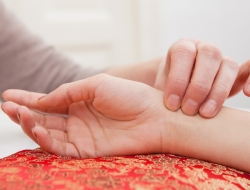
Treatment is always personalised after a full Ayurvedic assessment (pulse, tongue, eye, skin, breath, palm). Every plan combines five key elements:
1. Personalised Internal Herbal Formulations
Custom blends prepared in-clinic by Raman Das, drawing on classical formulations for Vicharchika and adapted to your specific dosha pattern. The medicine is selected to detoxify and rebalance — not just to suppress symptoms.
2. Topical Ayurvedic Oils
External application of medicated oils to soothe inflammation, reduce itching, and support healing. Common choices include Lakshadi Massage Oil (anti-inflammatory) and Shankhpushpi Herbal Oil (cooling, soothing).
3. Personalised Diet Plan
The Ayurvedic eczema diet doesn’t focus on macronutrients (protein, carbs, fat). Instead it identifies and removes foods that aggravate Pitta or that your digestion struggles to break down. (Full diet guidance below.)
4. Stress Management & Yoga Therapy
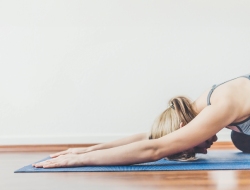
Stress is a major eczema trigger. Recommended practices include Yoga Mudra, Ujjayi Pranayama, and full Yatan Yoga Therapy. See Raman Das’s book YATAN Yoga Therapy for the full protocol.
5. Panchakarma Detoxification (when indicated)
For chronic or severe cases, Panchakarma clears accumulated ama and resets the body’s elimination pathways.
Eczema Diet — Foods to Eat & Avoid
Foods to Avoid or Reduce
- Sour fruits (oranges, mandarins, pineapples, tomatoes) — aggravate Pitta
- Fermented foods (vinegar, pickles, aged cheese, kombucha)
- Excess salt
- Excess sugar and refined sweets
- Alcohol
- Caffeine (coffee, energy drinks)
- Processed and packaged foods
- Dry, hard nuts (when raw)
- Hot, spicy, fried foods
- Red meat (in active flares)
Foods to Include
- Cooling foods: cucumber, coriander, fennel, mint, coconut
- Sweet juicy fruits: pears, sweet apples, grapes, ripe melons
- Leafy greens (cooked): spinach, kale, silverbeet
- Whole grains: basmati rice, quinoa, oats, barley
- Healthy fats: ghee (in moderation), coconut oil
- Bitter vegetables: bitter gourd, fenugreek leaves — support Pitta balance
- Hydration: warm water, coriander tea, fennel tea
Gentle Home Remedies for Mild Eczema
For mild eczema you can try these supportive measures while seeking professional advice:
- Gentle oil massage — Lakshadi Ayurvedic Body Massage Oil may relieve dryness, itching and redness in mild cases
- Pure aloe vera gel — apply gel free from artificial fragrance or colours
- Anti-inflammatory herbs — Triphala or Shatavari (under practitioner guidance)
- Cool oatmeal compress — for soothing acute itching
- Avoid scratching — keep nails short; scratching scars can take up to a year to clear
Important: Home remedies are supportive, not curative. Persistent or severe eczema needs professional Ayurvedic assessment.
How Long Will Treatment Take?
Most patients notice some improvement — reduced itching, less redness, less flaking — within three weeks of starting Ayurvedic treatment.
Full results depend on chronicity and severity:
- Mild eczema: often resolves within 6–12 weeks
- Moderate or chronic eczema: typically 3–6 months of consistent treatment
- Severe or systemic cases: may take 6–12 months
- Skin discolouration (after eczema clears) may take up to a year to fully resolve
Improvement is rarely a straight line — there are ups and downs as the body rebalances. But overall progress should be consistent.
Ayurvedic vs Western Approach to Eczema
| Ayurvedic Approach | Western Medical Approach |
|---|---|
| Treats eczema as a symptom of systemic imbalance | Primarily treats the visible skin symptoms |
| Investigates digestion, stress, doshas, allergies | Focuses on the affected skin area |
| Personalised herbs based on individual dosha pattern | Standard topical steroids and immunosuppressants |
| Internal + external + lifestyle treatment | Usually external creams and ointments |
| Slower visible results, more durable outcomes | Fast symptom relief, frequent recurrence |
| No risk of skin thinning or steroid dependency | Long-term steroid use can thin skin |
Note: Ayurvedic care can be used alongside conventional treatment. Always inform your GP and Ayurvedic practitioner of all medications you are taking.
A Personal Testimonial from Raman Das
“My son was born in 1999 and when he was one year old he developed eczema that spread over his entire body. I had not been in Australia for very long and was previously living in Nepal so I didn’t have much knowledge about the medical system here. My wife advised me that we should take our son to the doctor to get some treatment for him. The doctor prescribed a cortisone cream to apply to our son’s skin every time after washing. Initially the eczema cleared slightly but soon the cream became ineffective and so I decided to treat him with Ayurvedic formulas both internally and externally. Within 3-4 days the medicine started to take effect and I continued the treatment for the next 2 months by which time his skin was clear. Since then I have only given him medicine occasionally when he needs it.”
— Raman Das Mahatyagi, Principal Ayurvedic Practitioner
Recommended Ayurvedic Products for Eczema
Lakshadi Massage Oil 100ml — $37.95
May help to relieve eczema symptoms in mild disease. Helps regulate dryness, itching and redness. Suitable for daily application on affected areas.
Shankhpushpi Herbal Oil 100ml — $37.95
Cooling, soothing oil that may help relieve dryness and irritation caused by mild eczema.
Always consult an Ayurvedic practitioner before starting treatment to get the best results for your specific case.
Meet Your Practitioner — Raman Das Mahatyagi
Raman Das is the principal Ayurvedic practitioner at Yatan Holistic Ayurvedic Centre, with 30+ years of clinical experience and a private practice in Sydney since 2000. Author of YATAN Yoga and YATAN Yoga Therapy. His clinical work in skin conditions includes successfully treating his own son’s full-body eczema and many hundreds of patients with chronic dermatitis.
How Much Does Ayurvedic Eczema Treatment Cost?
| Free 10-Minute Phone/Video Consultation | FREE |
| Initial Consultation (60 min) | $139 AUD |
| Standard Follow-up (30 min) | $81 AUD |
| Customised herbal preparations | Varies by prescription |
| Topical oils (Lakshadi / Shankhpushpi) | $37.95 each (100ml) |
Total treatment cost varies by severity, chronicity, and individual response. Contact us for a personalised estimate.
Frequently Asked Questions
What is eczema in Ayurveda?
In Ayurveda, eczema is known as Vicharchika and is classified as a type of Kushtha (skin disorder). It is primarily caused by an imbalance in the Pitta dosha (fire energy) combined with toxin (ama) accumulation. Vata and Kapha doshas may also be involved in chronic or severe cases.
Can Ayurvedic treatment cure eczema permanently?
Ayurvedic treatment addresses the root cause of eczema rather than just suppressing symptoms. Many patients experience long-term remission when they follow a personalised plan. Eczema can return if the underlying imbalances re-emerge — which is why ongoing prevention is important.
How long does Ayurvedic eczema treatment take to work?
Most people notice improvement within three weeks of starting treatment. Full results typically take 3–6 months of consistent treatment. Skin discolouration after healing may take up to a year to fully clear.
Is Ayurvedic eczema treatment safe for children?
Yes. Ayurvedic eczema treatment is gentle and well-suited to children. Raman Das successfully treated his own son’s full-body eczema with Ayurvedic formulas when conventional cortisone creams stopped working. All formulations for children are dosage-adjusted and prescribed by a qualified practitioner.
Which foods should I avoid if I have eczema?
Common eczema triggers include fermented foods, excess salt and sugar, alcohol, sour fruits (oranges, mandarins, pineapples, tomatoes), processed foods, caffeine, and dry nuts. Specific foods depend on your individual dosha pattern.
What types of eczema do you treat?
Yatan Ayurveda treats all major types: atopic dermatitis, contact dermatitis, dyshidrotic eczema, nummular eczema, seborrheic dermatitis (including cradle cap), and stasis dermatitis.
How is Ayurvedic treatment different from steroid creams?
Steroid creams suppress symptoms but don’t address why eczema is occurring. The Ayurvedic approach treats the underlying cause — slower initial visible results but more durable long-term outcomes, and no risk of skin thinning or steroid dependency.
How much does treatment cost?
Initial consultation is $139 AUD (60 min). Follow-up is $81 (30 min). Customised herbal preparations and topical oils are an additional cost based on prescription.
Do you offer telehealth consultations?
Yes. Telehealth Consultations are available Australia-wide and internationally. Photographs of the affected skin help the practitioner assess remotely.
Book Your Free 10-Minute Consultation
Discover how Ayurvedic care can heal your eczema naturally — without steroids or skin thinning.