














Ayurvedic Treatment for Sinusitis in Sydney
Don’t Let Congestion Bog You Down
Trusted by 250+ patients in Australia

4.6/5 (Google Reviews)

Holistic & Natural Approach

Personalised Ayurvedic Core

Safe Effective & Side-Effect Free

Sydney’s Trusted Ayurvedic Experts
Heal chronic and acute sinusitis naturally — without antibiotics or steroid sprays — under the care of Raman Das Mahatyagi, principal Ayurvedic practitioner with 30+ years’ clinical experience. Yatan’s dosha-specific approach combines Neti pot therapy, herbs, and personalised diet. In-clinic at Gordon NSW or telehealth Australia-wide.
Quick Answer
Sinusitis is inflammation of the paranasal sinuses (hollow, air-filled cavities in the face) caused by viral, bacterial, fungal infection or allergic reaction — leading to nasal congestion, facial pressure, headaches and thick mucus.
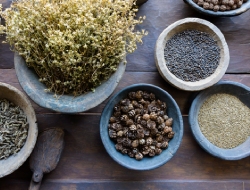
In Ayurveda it is known as Pinasa (chronic form: Dushta Pratishyaya) and is understood as a Kapha-dominant imbalance often combined with Vata and Pitta involvement. Treatment combines Jala Neti (nasal irrigation), Nasya (medicated nasal oils), personalised herbs (e.g. Tulsi, Pippali, Trikatu), dosha-specific diet, and steam therapy — without long-term antibiotic or steroid use.
Free 10-minute consultation
 1300 552 260
 WhatsApp
  Book online
What Is Sinusitis?
Sinusitis is an extremely common form of nasal congestion where the paranasal sinuses (hollow, air-filled spaces in the bones of the face) and nasal passages become blocked and the small blood vessels in the mucosal linings become inflamed.
Many people suffer with nasal congestion throughout their lives and resign themselves to continued dependency on decongestants and antihistamines.
What Factors Contribute to Sinusitis Developing?
Normally, the sinuses produce a thin mucus to trap pollutants like dirt and pollen to prevent infection. Sinusitis occurs when too much mucus is produced, and the mucosal linings swell. It can be acute sinusitis, typically from a viral or bacterial infection, or chronic sinusitis, commonly a result of immune system problems like allergies, such as hayfever. Structural abnormalities in the nasal cavity, blockage of the ostium, smoking and overuse of decongestant sprays also increase the risk of blocked sinuses.
Complete Risk Factor List
- Viral or bacterial infection (acute sinusitis)
- Allergies — hayfever, dust mites, pet dander (chronic sinusitis)
- Fungal infections (in immunocompromised individuals)
- Structural abnormalities — deviated septum, nasal polyps
- Ostium (sinus opening) blockage
- Smoking (active or passive)
- Overuse of decongestant nasal sprays (rebound congestion)
- Cold or dry climate exposure
- Air pollution and irritants
- Compromised immune system
If you’re in search of sinusitis treatment in Australia, exploring the Ayurvedic path may be just what you need, offering your body the opportunity to heal holistically and naturally.

Symptoms of Sinus Infection (Sinusitis)
Sinusitis symptoms vary by type and severity. The most common include:
Common Symptoms
- Nasal congestion or blockage
- Thick yellow or green nasal discharge
- Facial pain, pressure or tenderness — particularly around the forehead, cheeks, eyes, and nose
- Sinus headaches (often worse when bending forward or lying down)
- Reduced sense of smell and taste
- Post-nasal drip
- Cough (especially at night)
- Sore throat from postnasal drip
- Bad breath (halitosis)
- Ear fullness or pressure
- Fatigue and low-grade fever (acute cases)
- Tooth pain (upper teeth)
Acute vs Chronic Sinusitis
Acute Sinusitis
- Duration – Up to 4 weeks
- Common cause – Viral or bacterial infection
- Onset – Sudden, often after a cold
- Pain level – Often severe
- Discharge – Thick yellow/green
- Fever – Common in bacterial cases
- Ayurvedic name – Pratishyaya / Pinasa
- ICD-10 code – J01
Chronic Sinusitis
- Duration – 12+ weeks (recurring)
- Common cause – Allergies, structural issues, immune problems
- Onset – Gradual, persistent
- Pain level – Mild to moderate, ongoing
- Discharge – Variable, often thinner
- Fever – Uncommon
- Ayurvedic name – Dushta Pratishyaya
- ICD-10 code – J32

What Are the Health Effects of Sinus Infection Symptoms?
The effects and their severity vary greatly between individuals. There can be dryness of the nasal membranes, or there can be a thick nasal discharge of mucus. Damage to the membranes results in reduced tolerance to airborne allergens, such as pollen, and to seasonal and climatic changes.
Sinus Headaches or migraines are common, and these can be aggravated by bending over or lying down. If left untreated, the problem may spread to affect the eyes, ears, and throat, and can lead to illnesses such as bronchitis and asthma. Post-nasal drip can result in a persistent cough, sore throat and bad breath. Let’s explore further.
When Sinusitis Needs Urgent Medical Attention
Sinusitis is usually not dangerous, but in some cases it can lead to serious complications. See your GP or attend an emergency department if you experience:
- Severe headache that doesn’t respond to pain relief
- High fever (above 38.5°C / 101°F) lasting more than 3 days
- Swelling, redness or pain around the eyes
- Vision changes (blurred or double vision)
- Confusion, neck stiffness or sensitivity to light
- Symptoms that worsen despite treatment, or last longer than 12 weeks
Ayurvedic care is best used for chronic and preventive management. Acute bacterial sinusitis with severe symptoms may require medical treatment (sometimes antibiotics) — these can be safely combined with Ayurvedic supportive care.
Get Rid of a Sinus Infection Naturally — Discover Ayurvedic sinus relief from Sydney’s Raman Das.
Call Now for Free 10 Minute Consultation
 1300 552 260
 WhatsApp
 What Is the Ayurvedic Explanation of Sinusitis?
In Sanskrit, sinusitis is known as Pinasa. The chronic form is called Dushta Pratishyaya — ‘vitiated rhinitis’ — recognised in classical Ayurvedic texts as one of the most stubborn and recurring respiratory conditions.
While conventional medicine attributes sinusitis to bacteria, fungi, viruses, or an allergic reaction to airborne irritants, Ayurveda recognises that sinusitis symptoms vary according to an individual’s constitution. In this context, Ayurveda offers alternative treatment for sinusitis to individuals seeking natural sinusitis remedies. Its holistic approach encapsulates the individual’s unique characteristics, thereby presenting a personalised natural sinusitis treatment to alleviate sinusitis symptoms.
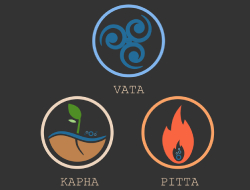
For example, where exposure to draughts triggers the condition, the cold and dry Vata is involved. When the problem is caused by irritants, whether dietary or airborne, Pitta, which governs inflammation, is aggravated. Dampness, rich and heavy or cold foods and drinks can aggravate Kapha. Ayurveda offers an alternative treatment for sinusitis that helps you understand your body’s constitution and the imbalances of Vata, Pitta, and Kapha in your system.
Visiting our clinic for Ayurvedic treatment offers a personalised, holistic approach to managing sinusitis, tailored to your unique body constitution.
Three Dosha Patterns of Sinusitis
Identifying which dosha is driving your sinusitis is key to effective Ayurvedic treatment. Most cases involve a combination, but one usually dominates:
Vata
Triggered By: Cold drafts, dry air, wind exposure
Symptom Pattern: Dry nasal membranes, crusting, mild headache, anxiety, dry cough
Pitta
Triggered By: Dietary or airborne irritants, hot/spicy foods
Symptom Pattern: Inflammation, burning, yellow/green discharge, fever, redness
Kapha
Triggered By: Dampness, rich/heavy/cold foods, dairy
Symptom Pattern: Thick white mucus, congestion, heaviness, fatigue, weight gain
How Can Ayurveda Help You Overcome Sinusitis Symptoms?
The Ayurvedic approach to natural sinusitis treatment is multifaceted and may include dietary changes, massage, detoxification, yoga, and Ayurvedic herbs. The focus is on strengthening the immune system and improving digestion and elimination.
Jala neti and Nasya therapy (nasal irrigation) are effective components of an alternative treatment program for sinusitis, helping cleanse and strengthen the nasal tissues. Close attention to diet is essential and advice is given on foods that will help and those that will hinder recovery.
Book a 10-minute free consultation with us, and we can provide further guidance and create a tailor-made alternative treatment for sinusitis.
Ayurvedic Herbs Used for Sinusitis
Never self-prescribe Ayurvedic herbs for chronic sinusitis. Combinations and dosage must match your dosha pattern and any current medications. Always consult a qualified practitioner.
Tulsi (Ocimum sanctum) — Holy Basil
The premier herb for respiratory and sinus health. Liquefies mucus, soothes inflammation in the airways and sinuses, supports immune function, and has natural antimicrobial properties. Excellent in tea form.
Pippali (Piper longum) — Long Pepper
Opens the respiratory channels, reduces Kapha congestion, and clears stagnant mucus from the sinuses. A key ingredient in many classical sinus formulations.
Trikatu — Three-Pepper Formula
Classical Ayurvedic combination of black pepper, long pepper and ginger. Powerful mucolytic and digestive aid. Especially useful for Kapha-dominant sinusitis with thick mucus.
Sitopaladi Churna — Classical Respiratory Formula
Time-tested powder for cough, congestion and sinus problems. Combines bamboo silica, cardamom, cinnamon, pippali and sugar. Mixed with honey or warm water.
Sunthi / Ginger (Zingiber officinale)
Warming, mucus-clearing, and anti-inflammatory. Particularly useful for sinusitis triggered by cold air or excess Kapha. Used in warm teas and as fresh juice with honey.
Haridra (Curcuma longa) — Turmeric
Powerful anti-inflammatory. Reduces sinus inflammation, supports immune response. Often combined with honey and warm milk or in steam inhalation.
Natural / Alternative Home Remedies for Sinusitis
If you’re struggling with sinusitis symptoms and are in search of natural remedies for sinus infection relief, rest assured that effective alternatives exist. Your journey to alleviating discomfort can commence right at home:
Take Warm Herbal Tea
Among the numerous natural remedies for sinus infection relief, warm herbal teas, especially those containing ginger. This comforting beverage offers instant respite, serving as one of the best home remedies for sinus infection.
Steam Therapy
Inhaling warm steam can clear your nasal passages, offering immediate comfort and acting as a go-to natural remedy for sinus infection relief.
Neti Kriya
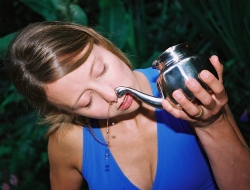
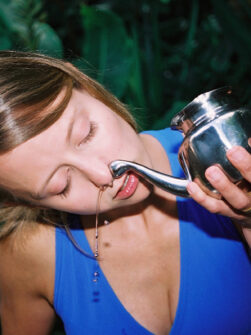
Rooted in Ayurvedic healing techniques, Neti Kriya gently cleanses the nasal passages using a Neti Pot. Known as an effective home remedy for sinus infections, it helps clear the sinuses and provide relief.
Incorporating Spices in Your Diet
Certain spices, such as turmeric and black pepper, possess anti-inflammatory properties that can alleviate sinus pressure and pain. Integrating these into your meals can offer a tasty, natural remedy for sinus infection relief.
Ayurvedic Diet for Sinusitis
Diet is one of the most powerful tools in managing chronic sinusitis. The goal is to reduce mucus-forming foods (Kapha-aggravating) and inflammation-triggering foods (Pitta-aggravating) while strengthening digestion (Agni).
Foods to Include
- Warm, freshly cooked meals
- Anti-inflammatory spices — turmeric, ginger, black pepper, cumin, cardamom, cinnamon
- Light grains — basmati rice, quinoa, barley, millet
- Honey (raw, unheated) — with warm water in morning
- Tulsi tea, ginger tea, fennel tea
- Cooked leafy greens — spinach, silverbeet, kale
- Mung dal and light soups
- Warm water throughout the day
- Pomegranate, papaya, sweet apples (cooked)
Foods to Avoid or Reduce
- Dairy products — milk, yoghurt, cheese, ice cream (most mucus-forming)
- Cold foods and drinks (especially iced water and chilled juices)
- Refined sugar and sweets
- Wheat (in chronic cases — often a sinus trigger)
- Bananas (mucus-forming for many people)
- Fried, oily, heavy foods
- Processed foods with additives
- Excess salt and pickled foods
- Alcohol and caffeine (in chronic cases)
Jala Neti — Daily Nasal Cleansing
Jala Neti (Sanskrit: jala = water, neti = nasal cleansing) is one of the six classical purification techniques (Shatkarma) in yoga. It is the single most effective daily practice for sinus health.
How Jala Neti Helps Sinusitis
- Flushes out mucus, allergens, dust, and pollutants from the nasal passages
- Reduces nasal inflammation by gentle saline irrigation
- Prevents postnasal drip and the cascade of throat/cough symptoms
- Improves the function of the cilia (tiny hairs that move mucus out)
- Encourages nose-breathing over mouth-breathing
- Improves sense of smell, taste and even vision over time
- Reduces dependence on decongestant sprays
How to Practice
- Fill a clean Neti pot with lukewarm sterile water and Ayurvedic rock salt (¼ teaspoon per 200ml)
- Lean forward over a sink, head tilted to one side
- Place spout in upper nostril; breathe through your mouth
- Water flows in through upper nostril, out through lower
- Repeat on the other side
- Always blow nose gently afterward to clear remaining water
- Practice daily, especially in morning, for chronic sinusitis
Nasya — Medicated Nasal Oil Therapy
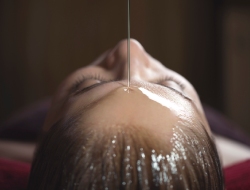
Nasya (Sanskrit: nasya = of the nose) is the classical Ayurvedic practice of administering medicated oils, herbal powders, or decoctions through the nasal passages. It is considered one of the most direct routes to address head and upper respiratory disorders in Ayurveda.
How Nasya Helps Sinusitis
- Lubricates dry, irritated nasal membranes (excellent for Vata-type sinusitis)
- Delivers medicinal herbs directly to the sinus mucosa
- Strengthens the nasal tissues against future infections
- Reduces chronic dryness, crusting and minor bleeding
- Improves voice quality, sleep, and mental clarity
- Often combined with Jala Neti — first cleanse, then nourish
Important: Nasya should always be prescribed by a qualified Ayurvedic practitioner. The specific oil or decoction used depends on your dosha pattern and current symptoms.
Ayurvedic vs Western Approach to Sinusitis
Ayurvedic Approach
- Treats sinusitis as a dosha imbalance + immune issue
- Identifies trigger pattern by dosha (Vata/Pitta/Kapha)
- Personalised herbs (Tulsi, Pippali, Trikatu) for your dosha
- Daily Jala Neti + Nasya as core practices
- Dosha-specific diet eliminates trigger foods
- Targets root cause — reduces recurrence
- No long-term spray dependency
- Holistic — addresses immunity, digestion, lifestyle
Western Medical Approach
- Treats by category — acute, chronic, allergic, fungal
- Identifies pathogen by test (bacterial culture, allergy testing)
- Antibiotics, antihistamines, decongestants, corticosteroid sprays
- Saline irrigation sometimes recommended
- Diet not typically addressed
- Manages symptoms; recurrence common
- Decongestant overuse causes rebound congestion
- Symptom-focused; surgery for structural issues
Note: Ayurvedic care can be used alongside conventional treatment. For acute bacterial sinusitis, your GP may prescribe antibiotics — these can be safely combined with Ayurvedic supportive care. Always inform both your GP and your Ayurvedic practitioner of all medications you are taking.
How Long Does Ayurvedic Sinusitis Treatment Take?
Treatment duration depends on whether your sinusitis is acute or chronic, and how long it has been present:
Typical Timeline
- Acute sinusitis: Symptom relief often within 7-14 days with daily Neti pot use, herbs, and diet changes
- Chronic sinusitis (under 1 year): Noticeable improvement in 4-8 weeks; full resolution in 3-6 months
- Long-standing chronic sinusitis (multiple years): Initial relief in 6-10 weeks; deeper rebalancing 6-12 months
- Maintenance phase: Daily Jala Neti continues indefinitely; herbs reduced as health stabilises
Note: Healing is rarely linear. You may notice the body “releasing” old mucus more heavily early in treatment — this is a natural detoxification response and resolves within days.
How Much Does Ayurvedic Sinusitis Treatment Cost?
Cost depends on whether your sinusitis is acute or chronic, and the products you choose. After your free 10-minute consultation, Raman Das will recommend a personalised plan with a clear cost estimate.
Free 10-Minute Phone/Video Consultation
FREE
Initial Ayurvedic Consultation (60 min)
$139 AUD
Standard Follow-up (30 min)
$81 AUD
Short Follow-up (15 min)
$51 AUD
Yatan Stainless Steel Neti Pot
$39.95 AUD
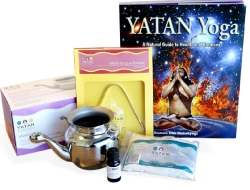
Yatan Neti Pot Kit (pot + salt + nasal drops)
$57.75 AUD
Ayurvedic Rock Salt (for Neti pot)
$13.95 AUD
Premium Lifestyle Kit
$117.50 AUD
Customised herbal formulations
Varies by prescription
Try Our Ayurvedic Products for Sinus Pain Relief
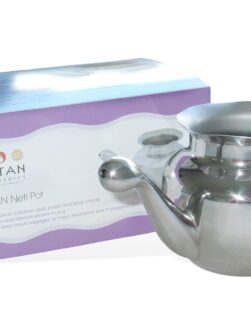
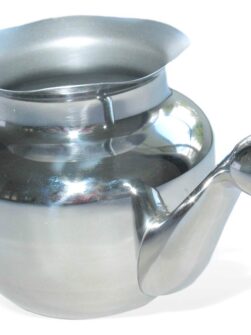
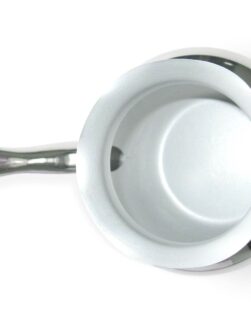
Stainless Steel Neti Pot — $39.95
Simplest way to perform salt water nasal rinsing and avoid sinus surgery. A sinus rinse that dissolves mucus, flushes away allergens and pollutants, alleviating congestion, facial pain and pressure. Sense of smell, taste and vision are improved. Deeper, more relaxed breathing.
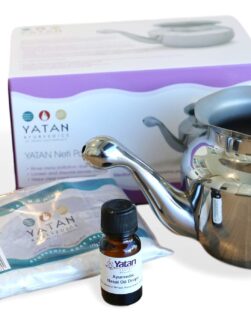
Yatan Neti Pot Kit — $57.75
Complete kit for daily sinus health:
- Neti Pot — A simple and effective solution to nasal cleansing
- Ayurvedic Rock Salt — For use in the Neti Pot
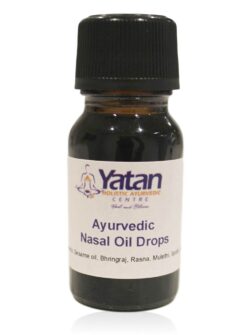
- Nasal Drops — For sealing the mucus membrane after cleansing
The Neti Pot Kit helps to clear, soothe and lubricate the sinus passages, getting rid of blocked nose. As a nasal decongestant it helps relieve acute and chronic sinus problems such as nasal allergies, mucous congestion, dry nasal passages and snoring.
Premium Lifestyle Kit — $117.50
Complete daily-routine kit including neti pot, tongue scraper, and other Ayurvedic essentials.
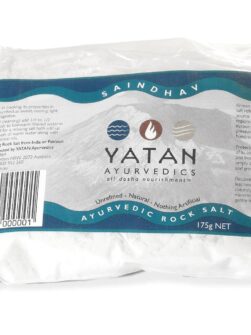
Ayurvedic Rock Salt — $13.95
100% natural rock salt specifically for use in the Neti Pot — superior to table salt because it dissolves cleanly and matches body’s natural mineral balance.
Watch our video on using the Yatan Neti Pot

Meet Your Practitioner — Raman Das Mahatyagi
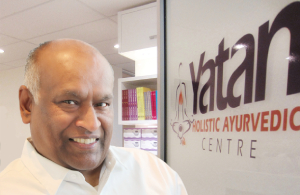
Raman Das is the principal Ayurvedic practitioner at Yatan Holistic Ayurvedic Centre, with 30+ years of clinical experience and a private practice in Sydney since 2000. Author of YATAN Yoga and YATAN Yoga Therapy. His clinical approach to sinusitis combines classical Ayurvedic herbs, dosha-specific diet, Jala Neti and Nasya therapy — addressing root cause rather than just symptoms.
Frequently Asked Questions
Q: What is sinusitis in Ayurveda?
A: In Ayurveda, sinusitis is known as Pinasa. The chronic form is called Dushta Pratishyaya — ‘vitiated rhinitis’ — and is recognised in classical Ayurvedic texts as one of the most stubborn respiratory conditions. It is understood as a Kapha-dominant imbalance, often with Vata and Pitta involvement, treated through Jala Neti, Nasya, personalised herbs, and dosha-specific diet.
Q: Can Ayurveda permanently cure chronic sinusitis?
A: Chronic sinusitis can recur, so ‘cure’ isn’t quite the right word. However, Ayurvedic treatment addresses the root causes — dosha imbalance, weak digestion, dietary triggers, immune dysfunction — rather than just suppressing symptoms. Many patients achieve long periods symptom-free. With ongoing maintenance (daily Jala Neti, diet, stress management), recurrence is minimised. If symptoms return, treatment can be restarted with shorter recovery time.
Q: How does the Neti pot help with sinusitis?
A: A Neti pot performs Jala Neti — gentle saltwater nasal rinsing. It flushes away allergens, pollutants and excess mucus from the nasal passages, reduces inflammation, prevents postnasal drip, and encourages nose-breathing. Daily Neti pot use is the most important single practice for chronic sinusitis. The Yatan Stainless Steel Neti Pot ($39.95) is designed specifically for this practice.
Q: What is Nasya therapy?
A: Nasya is the classical Ayurvedic practice of administering medicated oils, herbal powders or decoctions through the nasal passages. It lubricates dry membranes (especially helpful for Vata-type sinusitis), delivers herbs directly to sinus tissues, and strengthens the nasal mucosa against future infections. Always prescribed by a qualified practitioner — the specific oil depends on your dosha pattern.
Q: Which foods should I avoid if I have sinusitis?
A: Avoid dairy (milk, yoghurt, cheese, ice cream — most mucus-forming), cold foods and drinks, refined sugar, wheat (in chronic cases), bananas, fried and oily foods, processed foods with additives, and in chronic cases alcohol and excess caffeine. Specific triggers depend on which dosha is dominant in your case.
Q: What’s the difference between acute and chronic sinusitis?
A: Acute sinusitis (Ayurvedic: Pratishyaya, ICD-10: J01) lasts up to 4 weeks, usually triggered by viral or bacterial infection following a cold. Chronic sinusitis (Ayurvedic: Dushta Pratishyaya, ICD-10: J32) lasts 12+ weeks or recurs frequently, typically caused by allergies, structural issues or immune problems. Chronic cases need longer Ayurvedic treatment but respond well to consistent care.
Q: Can I do Jala Neti every day?
A: Yes — for chronic sinusitis sufferers, daily Jala Neti is recommended (typically once in the morning). It is a safe, gentle practice when done correctly with sterile lukewarm water and proper Ayurvedic rock salt. People without sinusitis often do it 2-3 times per week as a preventive practice.
Q: How long does Ayurvedic sinusitis treatment take to work?
A: Acute sinusitis typically improves within 7-14 days. Chronic sinusitis (under 1 year) shows noticeable improvement in 4-8 weeks, with full resolution in 3-6 months. Long-standing chronic cases (multiple years) take 6-12 months for deep rebalancing. Daily Jala Neti continues as ongoing maintenance.
Q: Do you offer telehealth consultations for sinusitis?
A: Yes. Yatan Ayurveda offers telehealth consultations Australia-wide and internationally for sinusitis. Customised herbal preparations and Neti pot products are posted directly to you. The video consultation works well for sinus conditions as the practitioner can observe symptoms through camera and ask about dosha indicators.
Book your free 10-minute consultation
If you suffer from sinusitis (sinus infection symptoms), then call us now and find out how our Ayurvedic treatment can help you. Early treatment of allergic sinusitis may prevent secondary bacterial sinus infections.
 Suite 28, 924 Pacific Highway, Gordon NSW 2072
  Available Australia-wide & internationally
  Mon–Fri: 9:00am–5:30pm
 More Sinusitis Resources
For more sinusitis information please visit our other blog posts:
- Coronaviruses Through The Eyes of Ayurveda
- Managing Pain With Ayurveda
- Banishing The Misery Of Sinusitis
- Ayurveda And The Long-Term Consequences Of Sinusitis
Sinusitis – Your Ayurvedic Treatment Plan
Reviewed by Raman Das Mahatyagi, Principal Ayurvedic Practitioner | Last updated: 11 May 2026