Blog

Menopause Can Get Spicy: How to breathe through your Hot Flushes

hot flush of menopauseOne of the most common and frustrating symptoms ailing women experiencing menopause is the hot flush.  It can affect the body anytime, anywhere and seriously impede a women’s quality of life.  If you’ve ever had to step out from a restaurant or cocktail party because a sudden surge of heat has walloped your body from the inside, as if you just opened the oven door while baking, then you know the discomfort.  You understand.

A common misconception among women is that the antidote to hot flushes is to douse themselves with something cold: ice cream, cool flannels and anything in a frappe.  However, from an Ayurvedic perspective, this will only exacerbate the root cause...

In Ayurveda, generally we find the pulse is actually cold for women who experience hot flushes – this indicates the body’s core temperature is really less than optimum. A hot flush occurs when the body suddenly perceives there is not enough energy for metabolic processes to occur – and like an emergency red alert, the adrenal glands send out a surge of adrenaline, to provide more energy to the body for metabolic functions.  Your body is actually trying to protect itself!

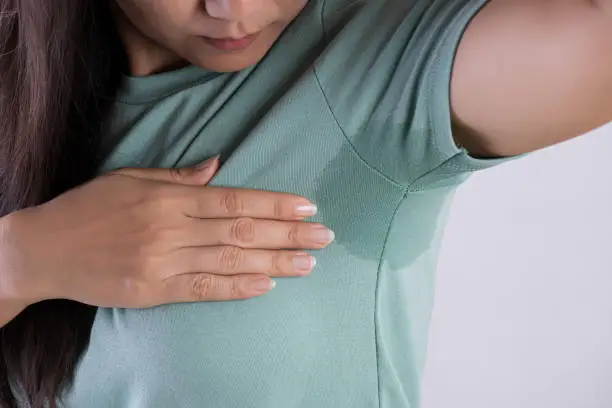
The results are typical hot flush symptoms - rapid heartbeat, heat and flushing around the chest, neck and face, perspiration and sometimes dizziness and nausea. 

Hot flushes often occur at night and are more severe (leading to night sweats, which I will blog about later).   They can last from 30 seconds to several minutes, and untreated,  women can continue to experience them for 5 to 10 years or more.  

This complex interaction between the body’s core temperature regulation, brain chemicals and hormone levels is not completely understood, however there is an easy but effective Yogic breathing technique you can use to dampen the hot flush heat when you feel it coming on...

Practice Sheetali

This requires you to shape your tongue like a banana and protude it slightly through the lips.  Then breathe in making sure the air is cooled by coming over the tongue.  This breathing technique will help calm the mind and relax the body in situations where you’re out, and crawling back into bed isn’t an option. 

In this exercise, breathing in should result in a noisy sucking sound and will be followed by swallowing the breath into the gut, holding for four seconds, then exhaling through the nostrils.  So next time you feel a hot flush coming on at a dinner party, step into the bathroom and do this Pranayama technique for five minutes, until calm.

Other Helpful Tips

If at home, a longer-term solution calls for the use of Shatavari or Lakshadi oil.  Rubbing these oils into the body releases particular herbal qualities into the skin, which calm the body’s pitta or fire.  These oils can be purchased at Ayurveda clinics or online, such as on my website www.yatan-ayur.com.au

Keep watching our blog for future tips to deal with night sweats.

Photo courtesy of  davidrush via Flickr 
 

Welcome To Our Very First Yatan Ayurveda Blog Post!

03
Feb, 2012

Welcome To Our Very First Yatan Ayurveda Blog Post!

Posted by admin | Tags: Menopause

Whether you’re an Ayurveda enthusiast, a naturopathy newcomer or simply looking for a fresh, effective way to treat your health – this blog is for you!

To start this blog, I want to talk about one of the biggest issues for many of my clients: Menopause.  I’ve spent two decades advising all sorts of cases for women entering this new stage of their life and I’ve spent the last 5 years running seminars and workshops on the subject.

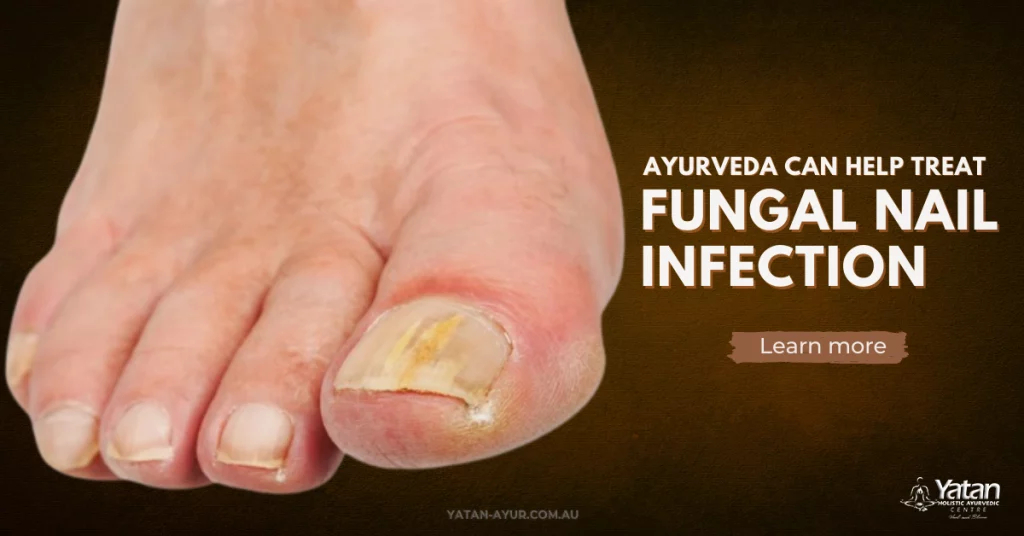
If you are going through menopause right now, I’m sure you can relate to the myriad of symptoms annoyingly (and constantly) informing you that your body is changing.  You’re probably experiencing hot flashes, headaches, thinning hair, memory loss, heavy eyes, hyperthyroid, volatile emotions, sleep disturbances, tinnitus, itchy ear, thinning muscles, breast sagging, heart palpitations, bloating, indigestion, constipation, visceral abdominal fat, vaginal dryness, frequent UTIs, fluctuation of the menstrual cycle, low libido, cravings, skin dryness, osteoporosis and fungal infections.

That’s a lot to deal with! 

Most of my patients going through menopause have already tried allopathic medicine, having wasted a lot of of time and money, without feeling significant improvements.  Even worse, many of the traditional medication designed to treat menopause takes a toll on the body with it’s numerous side effects.

In Ayurveda, we seek to diagnose the root cause of the problem and look at the body holistically so as to solve illnesses from head to toe.  Moreover, Ayurvedic formulations are natural herbal remedies, which work in tandem with the body.  Our bodies have evolved over thousands of years and each one of us has the ability to ameliorate and assuage nearly all symptoms of menopause without intrusive pharmaceutical medicine.

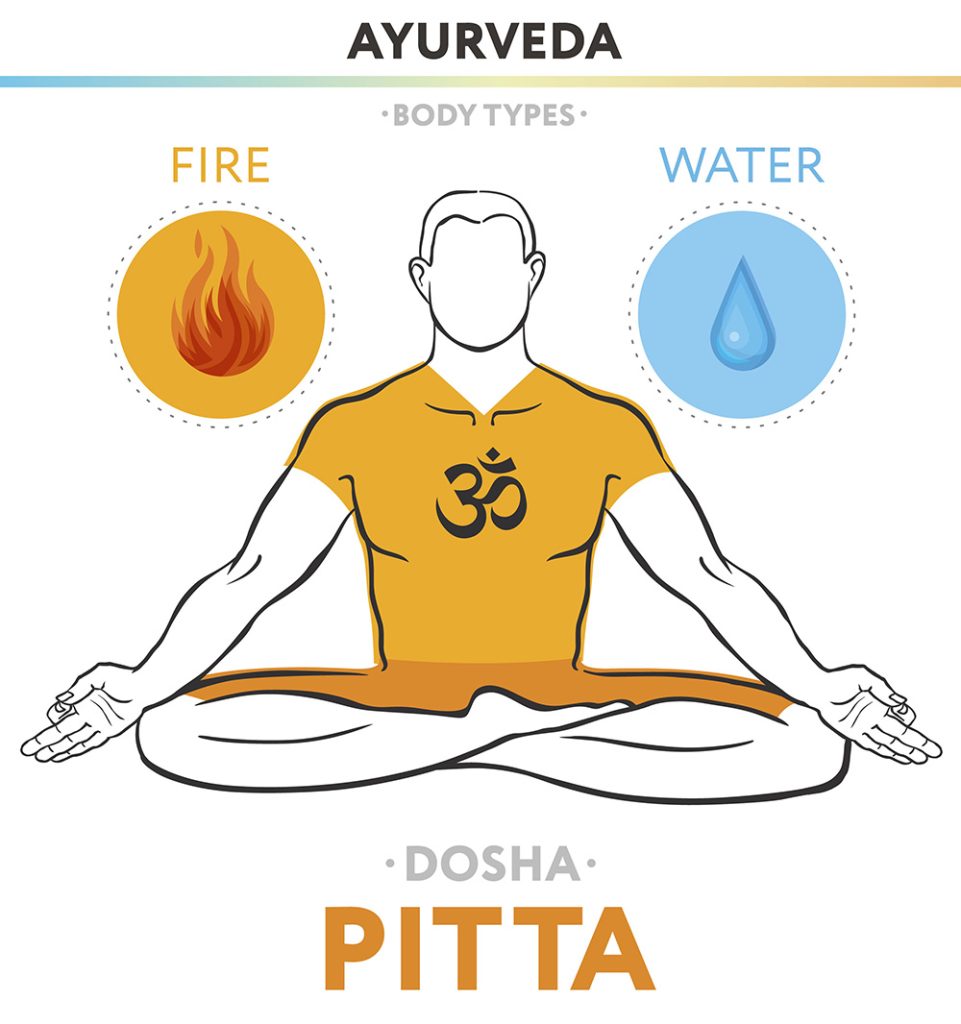
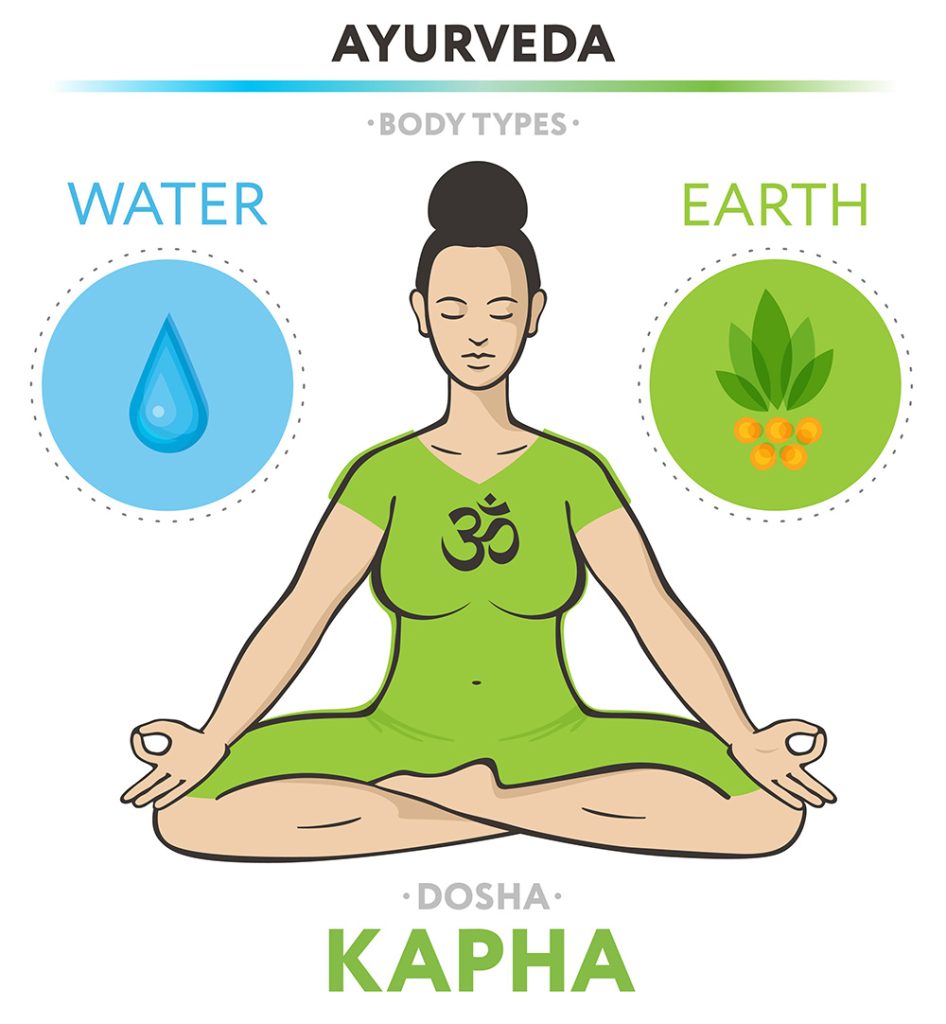
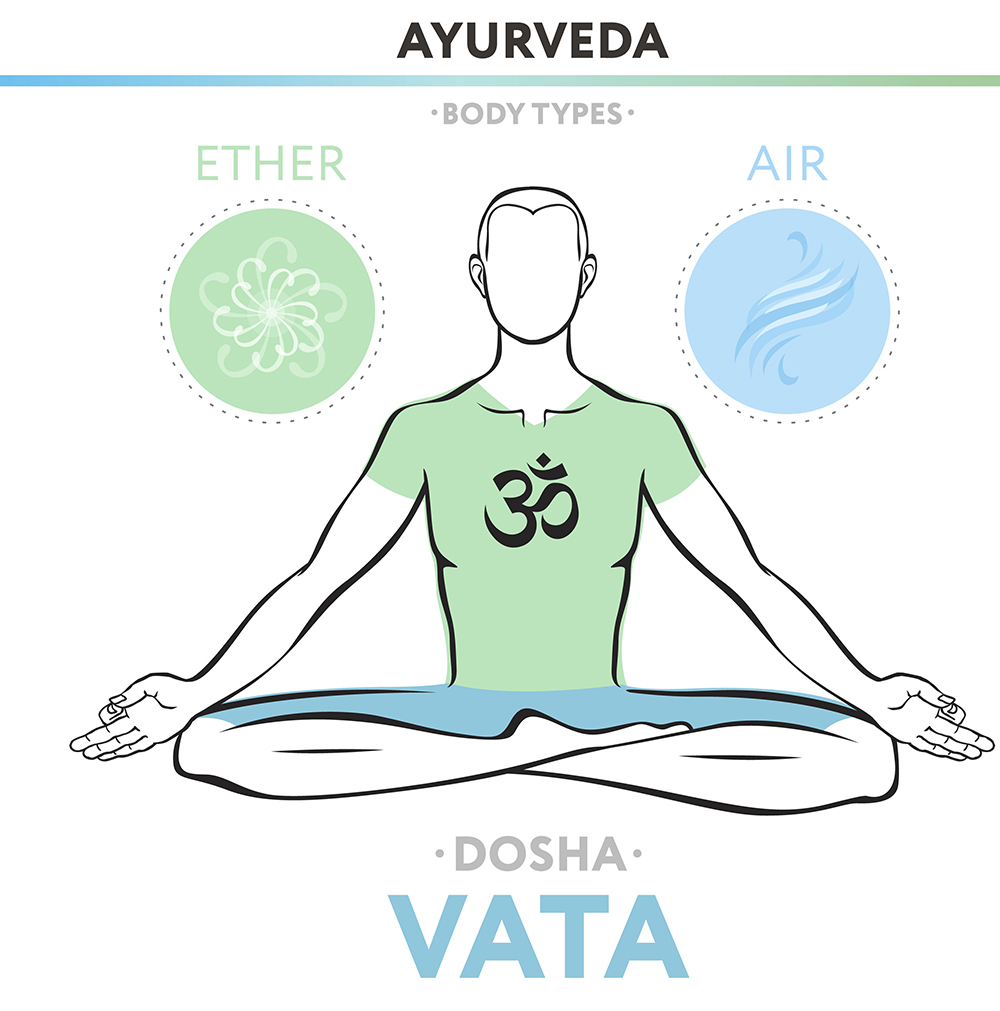
My diagnoses are made through assessment of the doshas: vata (air), pitta (fire) and kapha (water).  Everyone contains a mixture of these elements and treatment will vary accordingly.  For example, people with higher percentage of pitta will overheat more easily, have short tempers and be more susceptible to muscle loss.  By looking at the dosha, Ayurveda can determine a natural treatment, which more effectively deals with the body’s problems as a whole to promote a long-term solution for a healthier you.

Every week for the next two months, I’ll be writing in more depth about various symptoms of menopause and how you can treat them specifically.

-Raman Das

Syndicate content